


“Play is the work of childhood” Jean Piaget
Connected Play
Connected Play Training opportunities
Training that empowers practitioners to have high quality interactions, provide appropriate spaces and give the children high quality play experiences
Play happens all over the world. Our trainings encourage, empower, extend and support play at all stages of development and learning.
Within each play workshop, we highlight child development to ensure practitioners can provide appropriate play opportunities related to each child’s unique development stage.
Schematic Play Training
Understanding the Importance of Schematic Play Training in Early Years
Schematic Play Training is a valuable approach for an Early Years Facilitator, as it deepens understanding of the natural learning patterns children display through play. By recognising common schemas such as transporting, enveloping, trajectory, and rotation, practitioners can plan purposeful activities that nurture curiosity, problem-solving, and early cognitive development.
Through Schematic Play Training, Early Years Facilitators gain practical strategies to observe, interpret, and extend children’s play, creating environments that support holistic learning and align with the Early Years Foundation Stage (EYFS). This professional development not only enhances practice but also strengthens engagement with families, as practitioners can clearly explain the significance of play behaviours and how they contribute to a child’s growth and learning journey.

Here’s what to expect in our Connected play trainings
Within each of our training sessions participants will:
- Engage in Interactive activities online or in person
- Enhance knowledge in all play opportunities
- Explore Play theories from around the world
- Identify Play theories old and new.
- Be able to recognise and promote stages of development within play experiences
“Tell me and I forget, teach me and I may remember, involve me and I will learn” Benjamin Franklin.
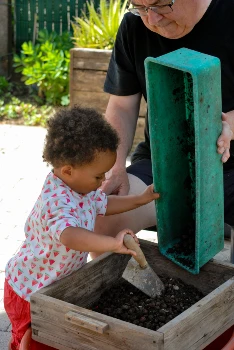
Schematic Play
Outline of training
- History of the Schema
- Schema vs Schemes
- The importance of recognising schemas for brain development.
- Can schemas link to emotions?
- Every child is different.
- Identifying 9 Different schemas and how you can support them.
- Using Music to enhance and develop schema play.
This training can be provided in person or online, it will be valuable for new practitioners, practitioners studying and practitioners looking to refresh their knowledge in Schematic play.
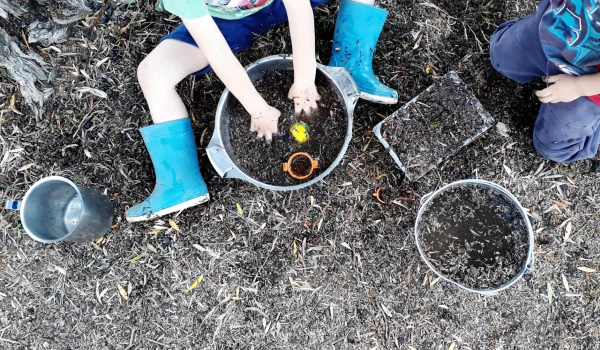
Outdoor Play
Outline of training
This is training to support settings that have small/medium sized gardens.
Participants will:
- Explore games to help physical development, sharing, co-ordination and language development.
- Develop outdoor story spaces and resources to support outdoor play opportunities.
- Develop confidence in supporting play outdoors.
This training is held outdoors; participants must attend with appropriate clothing for the weather
This training is for practitioners that would like/need ideas and inspiration to develop and encourage children’s play outdoors
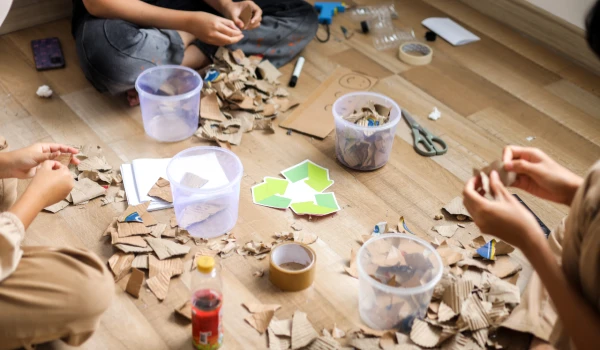
Discovering the Play Types
Bob Hughes Play types are widely known throughout the after-school sector and is also used in 3-5 environments to support play and development.
This training explores:
- The history of play types
- The 16 play types
- How play types can be promoted with children and young people.
This training can be delivered online or in person and is for practitioners who would like to explore the play types, for practitioners that are studying and for practitioners who would like a refresher on the 16 play types.
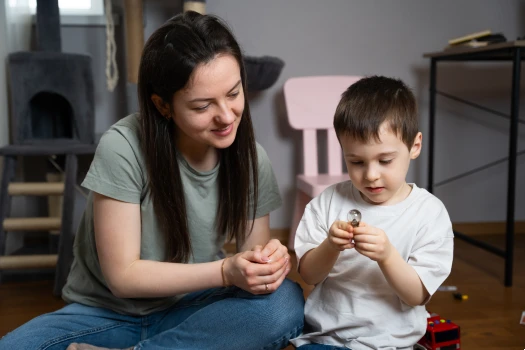
Observing and interacting in play
The observing and interacting in Play training can be delivered in different sessions at different times or over a day for an in service or development day.
- High Quality interactions: including serve and return moments and opportunities to explore appropriate interactions.
- Higher Order thinking skills.
- The power of observations and how to record a good quality observation.
- Exploring different types of observations.
This training is for new practitioners and practitioners that would like to upskill their observation and interaction techniques..
This training can be delivered online or in person.

Play
Our Play training can be delivered in different sessions at different times or over a day for an in service or development day.
- Recognising and relate to the stages of play,
- Realise the importance of play and child development.
- Recognise Invitations and provocations to play
- Explore play around the world
This training can be delivered online or in person and is for all practitioners who need to upskill in the importance of play or for practitioners that are training.

Feeling confident in risky play
This training will explore:
- The benefits of risky play
- Help practitioners feel confident in supporting children in risky play experiences
- How to keep safe during risky play experiences.
For Participants that would like to develop their confidence in supporting risky play experiences.


An Introduction to the Wonderful World of Storytelling
Outline of the training:
- What is storytelling?
- Identifying your personal storytelling style.
- Key elements of a successful storytelling session.
- Techniques to ensure your story is heard and understood.
- Extending learning through storytelling.
- The impact of storytelling on children’s development.
Delivery: Available online or in person.
Suitable for: Practitioners at all levels.
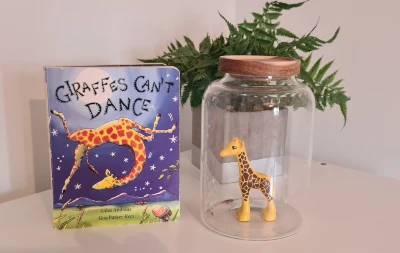
Storytelling Through Music and Movement
Outline of the training:
- Connecting music with storytelling.
- Using movement to enhance story experiences.
- Integrating stories, music, and movement seamlessly.
- Reflecting on the impact of storytelling through music and movement.
- Introducing story massage
Delivery: In-person only, held in a large space. Participants should wear comfortable clothing and soft shoes.
Suitable for: Practitioners at all levels.
